

The Product Graveyard Reset: How to Screen Skincare and Makeup for Acne-Prone Skin
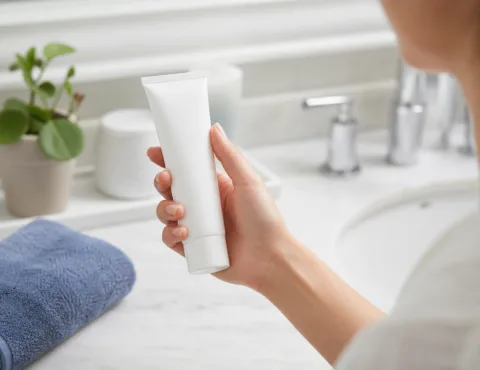
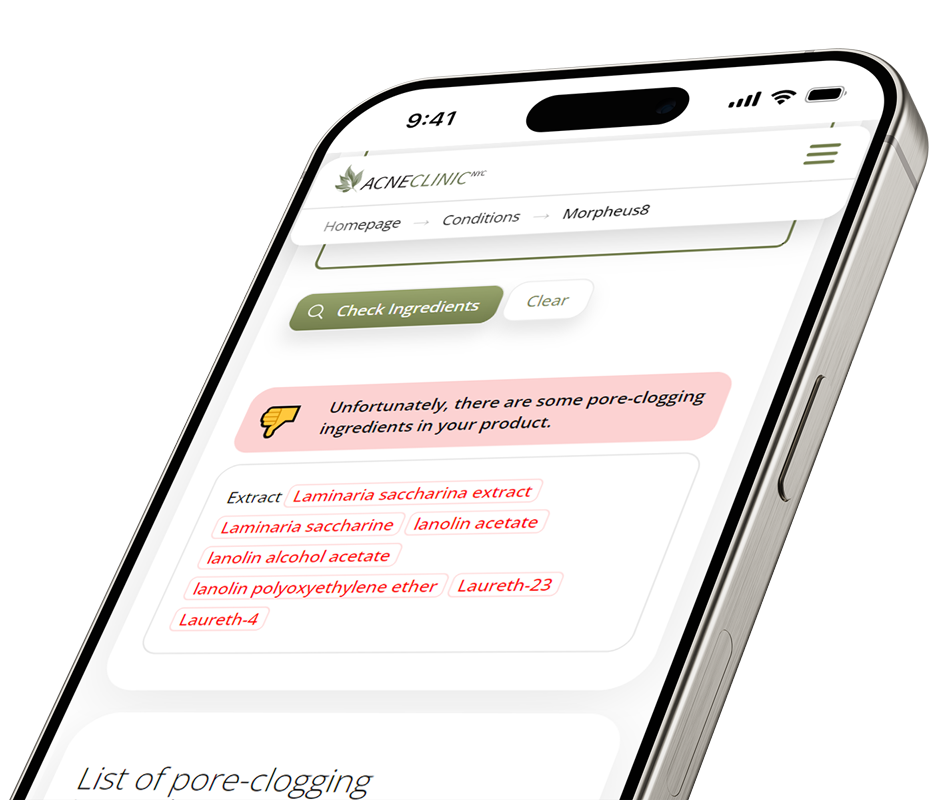
Use a pore clogging ingredients checker, package labels, and a simple comparison sequence to screen skincare and makeup for acne-prone skin.
LED (light-emitting diode) light therapy is a non-invasive treatment that enters the skin’s layers to improve the skin.
6-10 sessions.
20-30 minutes per session at office and 5-10 minutes at home.
Zero discomfort.
Zero downtime.
Every 10-14 days with an office device and every day with at-home device.
Daily SPF sunscreen use and reapplication.
Cleansing, eye protection, LED treatment, skin hydration and sun protection.
Same-day makeup application available.
Safe for all skin tones.
Epilepsy.
Some Thyroid Conditions.
Suspicious lesions or malignant tumors.
Systemic Lupus erythematosus.
The use of photosensitizing medications.
Diseases that involve the retina of the eye (such as diabetes).
LED (light-emitting diode) light therapy is a non-invasive treatment that enters the skin’s layers to improve the skin.
In the 1990s, NASA began studying LED’s effects in promoting wound healing in astronauts by helping cells and tissues grow.
Today, dermatologists and estheticians commonly use LED light therapy to treat a range of skin issues. Skin specialists often use LED light therapy together with other treatments, such as creams, ointments and facials, to give you the best results.
LED light therapy uses various wavelengths that correspond to different visible colors. Each color penetrates the skin at different depths.
Affects the uppermost layer of your skin. It reduces inflammation and stimulate the production of collagen, a protein responsible for younger-looking skin that diminishes with age.
Travels further into your skin. It destroys acne-causing bacteria (C. acnes).
Provides deep tissue relaxation and improved circulation, enhancing overall skin health.
Blue light is often used to treat acne. Studies show that blue light can kill the bacteria responsible for acne. It can also ease how much your oil glands make. This stops the hair follicle from becoming clogged and causing acne. Red light is also typically used in combination with blue light to help ease inflammation and redness.
Red light stimulates skin cells called fibroblasts. These help make collagen, which are important parts of skin recovery. Some studies have found that red LED light therapy tightens skin, reduces wrinkles and fine lines, and makes skin smoother and softer.
Red LED light stimulates collagen, which is important for healing wounds. People who have had surgery for skin resurfacing have also had red LED light therapy after the procedure. Studies have found that this form of light therapy lowers redness, swelling, and bruising, and speeds up the healing process.
Red and near-infrared LED light therapy can help lower redness and inflammation in psoriasis. One study showed that these light therapies also lowered psoriasis pimples and plaques, or red, itchy, scaly sores.
Photodynamic therapy has been performed using both red and green LED lights to treat skin cancers. After the medication is applied to the skin, red and green lights have been used to treat Bowen’s disease and red light has been used to treat basal cell carcinoma lesions.
Red LED light therapy can help stimulate hair growth for those with male- or female-pattern hair loss.
We love incorporating LED light therapy into various treatments due to its powerful anti-inflammatory, anti-bacterial, and collagenstimulating properties. This relaxing, non-invasive treatment offers significant benefits, making it a favorite among both our team and clients!
Unlock Radiant Skin with Celluma, Lightstim, & Glamcor LED Lamps at Acne Clinic NYC: Essential Tools for Acne, PIE, and Anti-Aging Treatments
To see significant benefits, you typically need to have a series of in-office treatments. You may need treatment each week for about a month. Then you might need maintenance treatments every month or every few months. Some at-home devices may also require a substantial time commitment. You might need to use your device twice a day for 30 to 60 minutes for four to five weeks. Other devices take just a few minutes a day.
It's generally recommended to avoid alcohol and caffeine for 24 hours before and after the treatment to ensure optimal platelet function and hydration.
It's best to avoid strenuous activities for 24-48 hours after the procedure to allow the treatment area to heal properly.
Initial improvement might be noticed within a few weeks, but optimal results typically occur over a period of 2-3 months as the body continues to heal and regenerate tissue.
Stimulates cell renewal (red light) and prevents inflamed acne (blue light) through targeted light therapy. This treatment reduces scars, lightens pigmentation, improves texture and revitalizes skin as well.
Accelerates rejuvenation, improves scars and aging signs with natural healing factors faster and more effectively (for non-smokers only).
Deep cleansing and refinement of the skin’s surface, targeting dilated pores and texture.
Enhances scars reduction and rejuvenation through natural collagen stimulation.
Extra hydration, smoothness, and a glowing complexion through extra exfoliation and even better penetration.
Tightens and lifts the skin, enhancing facial muscle tone.
Founder & Clinical Director, AcneClinicNYC
Licensed Master Esthetician, Certified Acne Specialist, International Educator in Acne Treatment
Lead LE, Certified Acne Expert, International Educator
Lead LE, Certified Acne Expert and Laser Specialist
LE, Certified Acne Expert, Laser Specialist and Electrologist
LE, Certified Acne Expert and Laser Specialist
Certified Acne Expert and Nutritionist
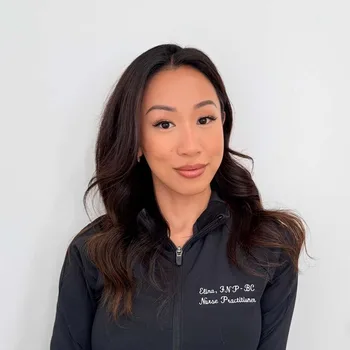
Nurse Practitioner
Nurse Practitioner
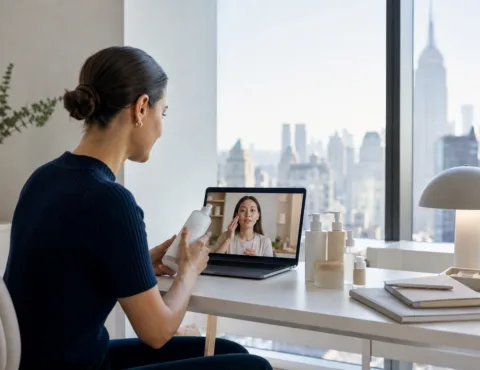
Thousands trust us to deliver accurate, reliable analysis that empowers you to confidently choose skincare, makeup, and haircare products that support clear, healthy skin
Share your phone number and our client care team will contact you to answer your questions and help plan your visit.
Use a pore clogging ingredients checker, package labels, and a simple comparison sequence to screen skincare and makeup for acne-prone skin.
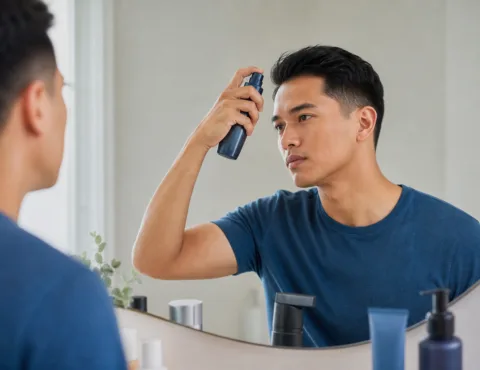
Hair products may be one possible factor in hairline breakouts. Compare contact, residue, timing, and where breakouts appear before changing your routine.
Choosing an acne consultation in NYC comes down to the visit format, listed location, and the kind of review you want. Compare…
Acne-prone skin can still need moisturizer. Learn why dryness and oil are different, what to look for on a label, and when…
A practical audit of makeup, brushes, overnight wear, and over-washing for acne-prone skin—without blaming one product or assuming a cause.