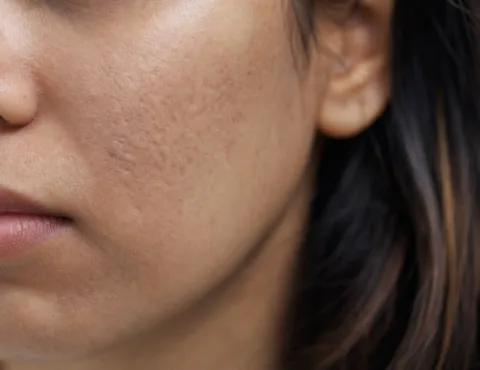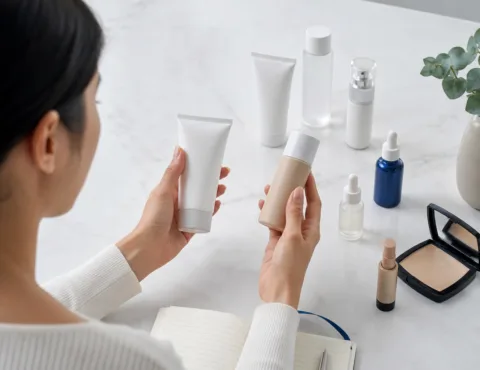


Chemical peels can be a useful professional option when acne-prone skin is dealing with congestion, active breakouts, uneven tone, or marks left after acne. The treatment uses a carefully selected solution to exfoliate the skin and support renewal. The formula and intensity are chosen according to the concern being treated, so a peel for clogged pores may differ from one focused on pigmentation or post-acne redness.
We offer Customized Chemical Peels in light and power options. Treatment planning considers the visible concern, its severity, skin sensitivity, and the amount of recovery time that fits your schedule.
Benefits for acne-prone skin
A systematic review covering 160 studies included chemical peels among procedural therapies used as adjuncts in acne care. In practical terms, a peel can complement an existing acne plan while giving focused attention to a particular surface concern.
Chemical peels work through controlled exfoliation and skin renewal. For acne-prone skin, this can support a smoother surface and help address comedonal congestion. When post-acne pigmentation is the priority, the treatment plan can focus on uneven tone and dark marks. Post-acne redness and minor textural changes require their own assessment so that the peel is selected for the concern that is actually visible.
This distinction makes the treatment more useful. Instead of applying the same protocol to every breakout or mark, we can adjust the peel type, strength, and schedule around the current condition of the skin. The result is a treatment plan with a clear purpose and a recovery window that has been considered in advance.
Light peels and power peels
We offer light and power chemical peels. Light peels are suited to clients who want a gentler treatment and a shorter recovery period. They can be incorporated into a gradual treatment series when consistent surface renewal is the goal.
Power peels provide a more intensive exfoliating treatment. They may be selected when the concern and severity call for a stronger protocol and the client can accommodate more visible recovery. The decision is based on skin condition and treatment goals rather than intensity alone.
We list approximately zero to one day of recovery for light peels and one to three days for power peels. These ranges help with scheduling, but individual skin response still matters. Dryness, tightness, or visible flaking may continue beyond the first recovery window depending on the protocol used.
What treatment planning considers
Planning starts with the main goal: supporting active-acne care, reducing congestion, improving dark post-acne marks, or refreshing uneven tone and texture. We also review sensitivity, skin tone, treatment history, current products, recent procedures, and previous reactions to exfoliating treatments.
Timing is part of the plan. Upcoming events, travel, sun exposure, and the ability to pause strong home-care products can influence the treatment date and peel intensity. A client who needs minimal visible recovery may begin with a light option, while someone with more flexibility may consider a power peel selected for the concern and severity.
Preparation may begin before the appointment. The American Academy of Dermatology notes that some patients follow a pre-peel skin-care plan for two to four weeks. When preparation is recommended, it gives the skin time to adjust and helps establish a clear routine before the procedure.
During the appointment, the skin is cleansed and the selected peel is applied in controlled layers. The procedure is finished with appropriate skin protection. The exact protocol and number of sessions are determined by the peel type, treatment goal, and response of the skin.
Chemical peel downtime
Recovery changes with peel depth. The American Academy of Dermatology describes healing periods ranging from one day for a refreshing or “lunchtime” peel to 14 days or longer for a deep peel. Medium and deep procedures require a longer period of visible recovery and more involved aftercare.
Those broad ranges cover many types of chemical peels. For our light and power options, the stated initial recovery ranges are shorter: zero to one day for a light peel and one to three days for a power peel. Establishing the exact peel category before treatment gives you a more useful expectation for work, makeup, exercise, and social plans.
A light peel may leave the skin feeling dry or tight with mild flaking. A power peel can produce more noticeable peeling, so the schedule should allow the skin to complete that process without picking, scrubbing, or covering it too early.
Aftercare supports an even recovery
Every professional peel requires at-home care. The American Academy of Dermatology notes that the routine varies by depth; lighter procedures generally need supportive skin care, while deeper peels involve more structured recovery instructions.
Follow the cleanser, moisturizer, and sun-protection plan provided for your peel. Pause exfoliating acids, retinoids, scrubs, and other potentially irritating products for the recommended period. Daily sunscreen is particularly important while newly treated skin is recovering. Avoid pulling at peeling skin, since unnecessary irritation can interfere with an even recovery.
Book our Skin Health & Rejuvenation Assessment — In-Clinic so we can plan a Customized Chemical Peel around your acne concerns, post-breakout marks, sensitivity, and preferred downtime. We offer treatments in Manhattan, Brooklyn, and North Babylon.