
Simplifying your routine before an acne consultation is more useful when you have exact information about the products touching your face and hair. A practical starting point is a gentle cleanser, a non-comedogenic moisturizer, and daytime sunscreen, while temporarily stepping back from a crowded mix of scrubs, masks, exfoliants, toners, and spot treatments.
This creates fewer competing variables. It also gives the consultation a clearer view of persistent breakouts, irritation, product use, and relevant triggers without treating every change in your skin as proof of one specific cause.
Simplify the routine without starting over
Simplifying does not mean discarding your current products or replacing the entire shelf with another new routine. It means reducing the number of products used at the same time, especially when several exfoliating or spot-treatment steps are making the routine difficult to interpret. Our guidance notes that temporarily simplifying a routine containing multiple scrubs, masks, exfoliants, toners, and spot treatments can make it easier to see whether irritation settles.
Products outside the basic facial routine still matter. Makeup and hair products remain relevant because they may be included in the consultation review even when your day-to-day facial routine becomes shorter. Keep them in the discussion rather than assuming that only cleanser and moisturizer count.
If skincare or makeup ingredients are the immediate concern, our pore-clogging ingredients checker helps you inspect product labels while simplifying. Use it as a product-review tool rather than as proof that one ingredient explains every breakout.
Why a gentle cleanser and moisturizer make irritation easier to interpret
Acne-prone skin often benefits from gentler cleansing and regular moisturizing. The American Academy of Dermatology’s guidance on gentle skincare explains that harsh cleansing or scrubbing can irritate skin. It also notes that benzoyl peroxide and salicylic acid can cause dryness and irritation, which is why a gentle moisturizer can be important when those ingredients are used.
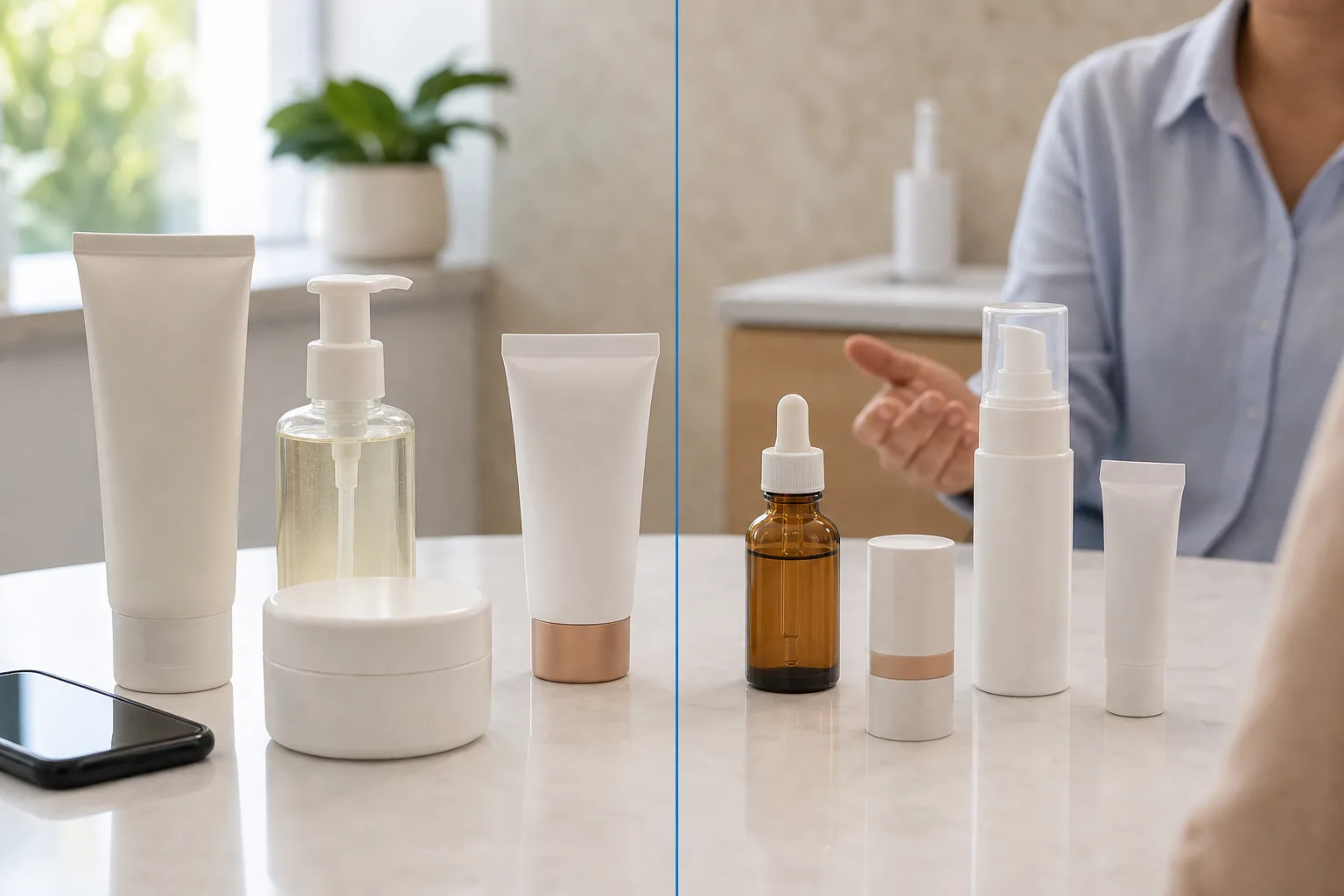
When clogged pores are a concern, a non-comedogenic moisturizer provides a practical selection criterion. The AAD advises choosing products labeled oil-free and non-comedogenic, including cleansers, moisturizers, and makeup. Its guidance on non-comedogenic products also notes that salicylic, glycolic, and lactic acids may be too harsh for some skin and recommends stopping or reducing a product if irritation develops.
Several observations can provide useful context about possible barrier stress: a rough or scaly surface, skin that seems oily and flaky at the same time, sudden reactivity to familiar products, itching, or pain. These features are not a self-diagnosis. Barrier-related symptoms can overlap with other conditions, and assessment may involve symptoms, skincare habits, triggers, history, and the skin’s appearance.
Ongoing breakouts are a different part of the picture, although irritation and breakouts can occur together. Painful or inflamed acne, breakouts that continue despite consistent care, or developing scars support seeking individualized guidance rather than continuing to cycle through products. A shorter routine helps separate these discussion points: what looks and feels irritated, what continues to break out, and which products were present when those patterns occurred.
A non-comedogenic label also does not promise that every formula will suit every person. Skin type, product texture, the rest of the routine, and how your skin responds remain relevant to the consultation.
What to have available for an acne consultation
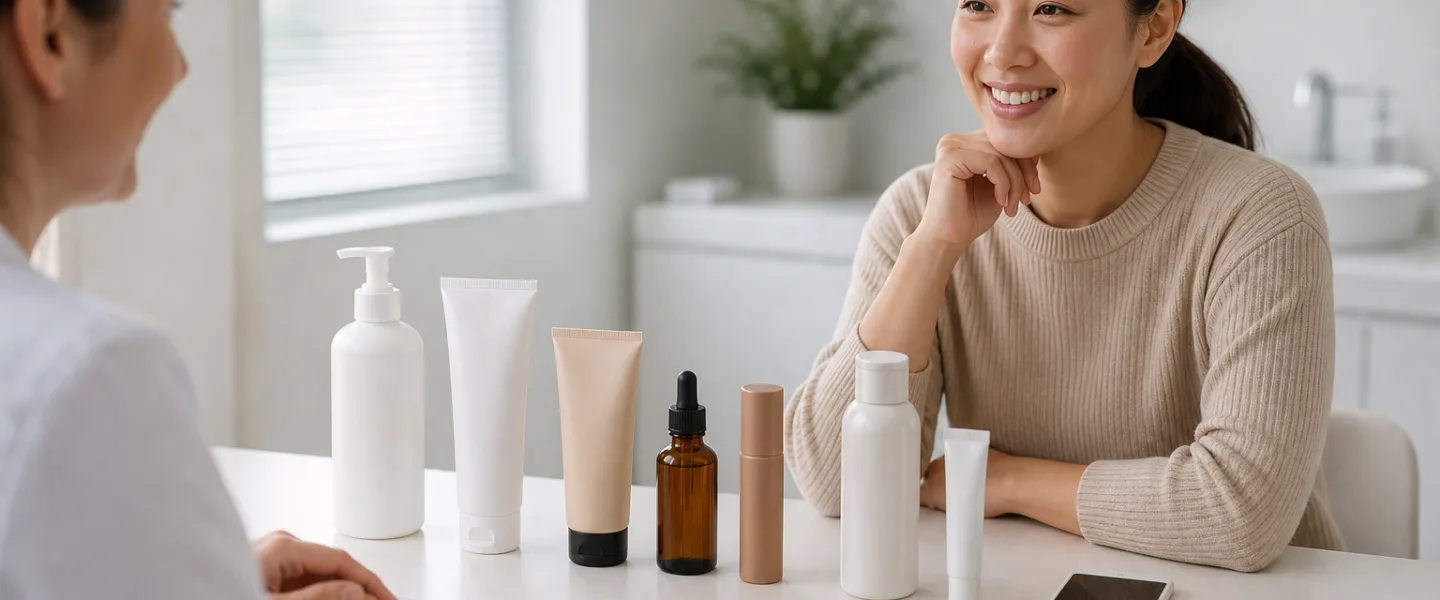
Exact product information is more useful than a general description such as “an acne wash” or “a serum.” Have the products or readable packaging available so the consultation can account for your cleansers, moisturizers, sunscreens, serums, cosmetics, and spot treatments. Hair products are also relevant, particularly for the virtual review.
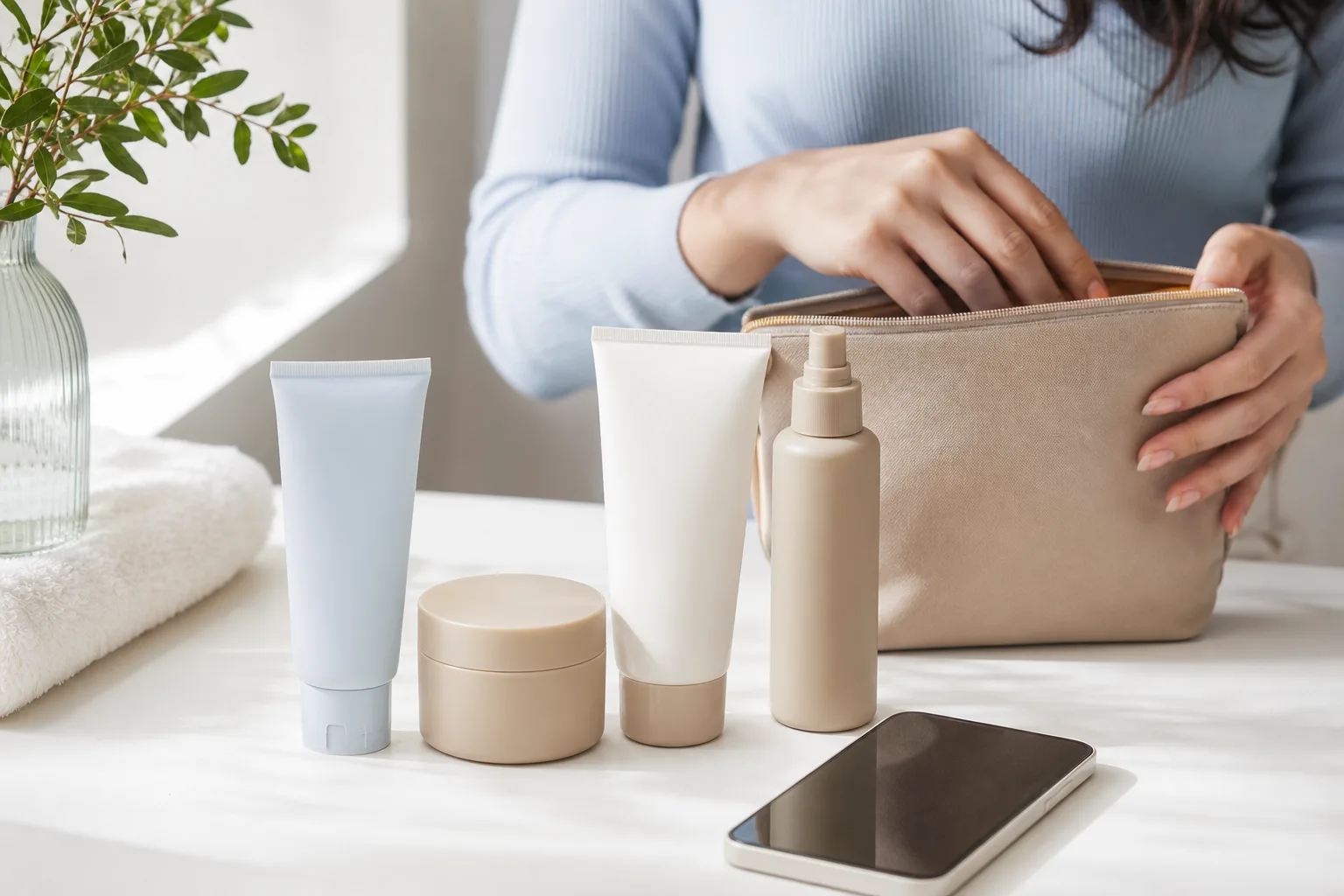
How each product is used adds necessary context. A daytime sunscreen, an occasional serum, and a spot treatment applied only to selected areas do not represent the same exposure. Recently reduced or paused products can also matter when irritation changed around the same period. This information supports a more efficient routine review without turning a product reaction into a diagnosis.
How virtual and in-clinic consultations use your preparation
AcneClinicNYC offers both virtual and in-clinic acne consultations. In a virtual acne consultation, we review acne and skin type, current skincare and hair products, and relevant acne triggers. Having the products nearby allows their exact names and labels to be included in that remote review.
For people considering the Pro-Acne Program in person, the standard in-clinic consultation includes a thirty-minute review of acne history. Current product information complements that history by showing what is being used now. Clients under 18 must be accompanied by a parent or legal guardian.