
Introduction
Hormonal acne is a prevalent concern affecting individuals of all ages, particularly women. Understanding its underlying causes and triggers can empower those affected to seek appropriate care. In this article, we will delve into the medical insights of what causes hormonal acne and explore effective treatment options available at Acne Clinic NYC.
Table of Contents
- Understanding Hormonal Acne
- The Mechanisms Behind Hormonal Acne
- Treatment Options for Hormonal Acne
- Common Mistakes to Avoid
- The Unique Advantage of Acne Clinic NYC
- Conclusion
Understanding Hormonal Acne
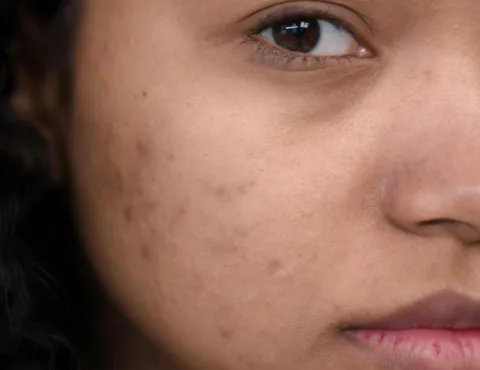
Hormonal acne primarily arises from fluctuations in hormones such as androgens, notably testosterone. This condition leads to increased sebum production, which can clog pores and promote bacterial growth, resulting in inflammation. Life stages such as puberty, menstruation, pregnancy, and menopause, as well as conditions like polycystic ovary syndrome (PCOS), can trigger these hormonal changes.
The Mechanisms Behind Hormonal Acne
Hormonal acne is characterized by four significant processes within the skin’s pilosebaceous units:
- Increased Sebum Production: Androgens activate sebaceous glands leading to excessive oil production.
- Pore Clogging: Dead skin cells and excess oil obstruct hair follicles.
- Bacterial Colonization: Clogged pores allow Cutibacterium acnes to flourish.
- Inflammation: The immune response to bacterial growth leads to redness and lesions.
Triggers such as puberty, menstrual cycles, pregnancy, menopause, and hyperandrogenism significantly exacerbate these processes. Hormonal discrepancies can lead to pronounced flare-ups during specific life stages.
Treatment Options for Hormonal Acne
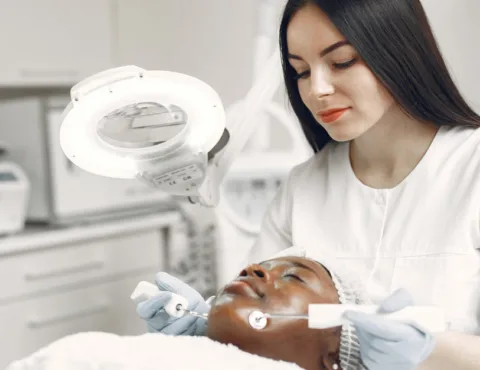
At Acne Clinic NYC, we provide tailored treatment options targeting hormones, oily skin, bacterial growth, and inflammation:
Personalized and Comprehensive Treatment Plans
1. Topical and Standard Treatment
Topical therapies like retinoids, benzoyl peroxide, and different acids manage hormonal acne effectively. Special consideration is given during pregnancy to avoid certain ingredients.
2. Hormonal Therapies
Hormonal treatments can benefit adult women:
- Birth Control Pills: Formulations containing ethynyl estradiol and drospirenone help regulate hormonal fluctuations.
- Anti-Androgens: Medications like spironolactone counteract androgens’ effects.
3. Systemic Therapies
For severe or resistant cases, systemic treatments like isotretinoin may be necessary. PCOS screening is crucial before this therapy.
4. Lifestyle Modifications
Regular screenings for hormone levels can help detect underlying disorders. Personalized dietary recommendations and custom skincare formulations further foster healing.
Common Mistakes to Avoid
While managing hormonal acne, avoiding these pitfalls is essential:
- Ignoring Underlying Issues: Not investigating hormonal imbalances can prolong acne.
- Overuse of Topicals: Over-applying treatments can irritate the skin.
- Neglecting Sun Protection: Acne treatments may increase sun sensitivity.
The Unique Advantage of Acne Clinic NYC
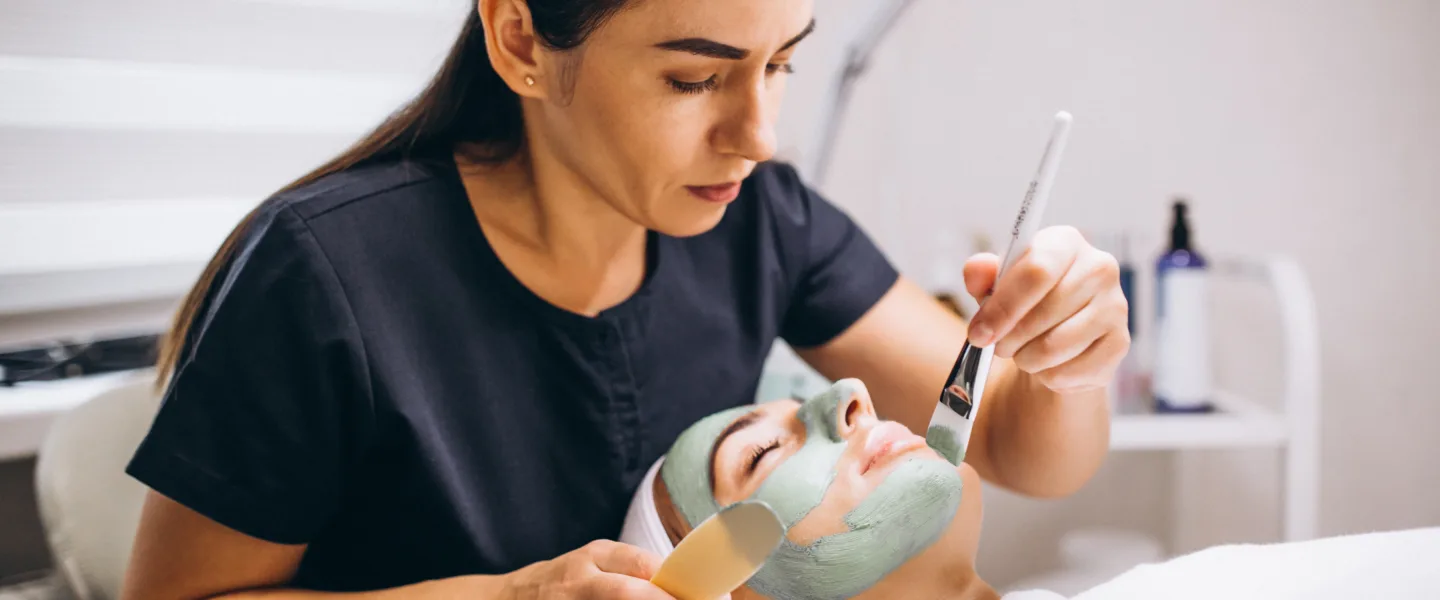
At Acne Clinic NYC, we prioritize personalized care. Our customized treatment plans are designed by our founder and focus on addressing complex acne challenges and post-acne scarring.
Our advanced protocols combine in-clinic treatments with at-home care for long-term results, tailored specifically to individual needs.
Conclusion
Hormonal acne can be managed effectively through personalized treatment approaches at Acne Clinic NYC. If you’re ready to take the first step towards clearer skin, we encourage you to schedule a consultation or contact us at +1 929 490 7770. Let us assist you in regaining your confidence with a tailored approach to your skincare needs.