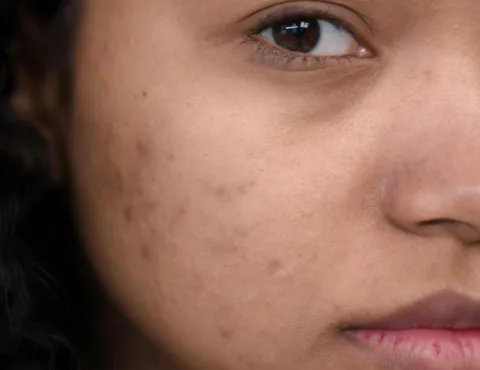


Acne affects millions of people worldwide, crossing all ages, backgrounds, and lifestyles. For many, it’s not just a cosmetic concern but a persistent condition that can impact confidence, emotional well-being, and quality of life.
Contrary to common belief, acne is not purely a hormonal disorder. It’s a multifactorial, genetically influenced skin condition, meaning that several overlapping factors contribute to its development — including genetic predisposition, sebaceous gland activity, the rate of skin cell renewal, microbiome balance, and inflammation.
At its foundation, acne begins with genetic programming. Some individuals’ skin naturally produces more sebum (skin oil) and sheds cells more quickly, leading to clogged pores and a microenvironment prone to inflammation.
Hormones, particularly androgens such as testosterone and dihydrotestosterone (DHT), act as amplifiers rather than primary causes — enhancing sebum production and inflammation in genetically sensitive skin.
The Role of Androgens.
Androgens act like “on switches” for sebaceous glands. When they bind to androgen receptors — think of these receptors as locks, and hormones as keys — the glands are activated to produce more sebum.
However, in genetically predisposed individuals, the sebaceous glands are hypersensitive to androgens. Even normal hormone levels can overstimulate them. That’s why a woman may have completely normal hormone tests but still experience persistent, hormonally patterned acne. The issue isn’t too many “keys,” but locks that react too strongly.
This genetic hypersensitivity explains why “hormonal acne” can persist even when hormones are technically normal.

How Spironolactone Works.
Spironolactone helps by blocking the androgen receptor — in other words, it prevents the hormone “key” from turning the “lock.”
You can imagine it as a decoy key: it fits into the receptor but doesn’t activate it. As a result:
- Sebaceous gland activity decreases
- Sebum production normalizes
- Pores stay clearer
- Inflammation and redness subside
This targeted mechanism allows the skin to stay calmer, with fewer breakouts and less oiliness over time. Visible results usually begin within 6–12 weeks, with full benefits seen after 3–6 months of consistent use.
Spironolactone also works as a potassium-sparing diuretic, meaning it helps the body release excess water and sodium without losing potassium.
This diuretic effect isn’t just useful for blood pressure — it can also benefit the skin. By reducing systemic and micro-level fluid retention, spironolactone helps decrease edema (swelling) within sebaceous glands and surrounding tissues.
Less edema means:
- Improved oxygenation of follicles
- Reduced compression of the pore walls
- Lower inflammatory activity in the skin

In short, spironolactone not only calms hormonal stimulation but also relieves micro-swelling, which plays a hidden but significant role in acne inflammation.
Spironolactone is most effective for hormonally influenced acne in women, especially when breakouts worsen before menstruation or accompany oiliness, puffiness, or mild swelling before the cycle
For genetically acne-prone skin, even mild reduction in androgenic activity can yield visible, lasting improvements.
Side Effects and Safety Considerations
When prescribed correctly and monitored by a professional, spironolactone is generally safe. However, it can cause certain side effects, especially at higher doses:
- Mild dizziness or low blood pressure
- Increased urination (as a diuretic effect)
- Breast tenderness or enlargement
- Irregular menstrual cycles or spotting
- Fatigue or mild headaches
- Spotting

Because spironolactone may raise potassium levels, periodic blood tests are recommended — particularly for patients with kidney conditions or those taking medications that affect potassium balance. It is also helpful to be mindful of dietary potassium, since consuming too many high-potassium foods such as bananas, oranges and orange juice, cantaloupe, kiwi, mango, papaya, sweet potatoes, tomatoes, leafy greens, beans, and spearmint leaves or tea can further elevate potassium levels. This increases the risk of hyperkalemia, a condition in which excess potassium interferes with normal electrical activity in the heart and muscles. Hyperkalemia can cause muscle weakness or tingling, and in more severe cases it may lead to disturbances in heart rhythm.
Spironolactone should not be used during pregnancy, in people with chronic kidney disease, Addison’s disease, or existing hyperkalemia.
Why Gradual Discontinuation Is Essential

Acne-prone skin does not tolerate sudden changes well. Abruptly stopping spironolactone can cause hormonal rebound, leading to renewed breakouts within weeks.
To avoid this, spironolactone should be tapered gradually under medical supervision. The slower and smoother the reduction, the more stable your skin remains and the less likely inflammation will return.
Supporting Your Skin During and After Spironolactone
If you decide to stop spironolactone, combining dietary and lifestyle adjustments with proper skincare can help maintain results and prevent relapse.
Here’s how to support your skin’s natural balance:

- Sodium Restriction
Limit dietary sodium intake to no more than 1,500 mg per day. This helps reduce water retention, puffiness, and follicular (micro) edema that can contribute to inflammation. - Fluid Regulation
Maintain moderate fluid intake — about 2 liters per day, depending on your health status, climate, and activity level. Consistent hydration helps balance electrolytes without overstressing the kidneys or sebaceous glands. - Evening Intake Limitation
Try to limit significant fluid consumption after 6 PM (drink only if you’re thirsty). This reduces nocturnal water retention and helps minimize morning puffiness or swelling that can affect the lower face. - Adjunctive Dietary Measures
Include potassium-rich foods such as leafy greens, avocados, and bananas to help balance sodium retention.
Monitor caffeine and alcohol — both can influence fluid shifts and potentially worsen dehydration or puffiness.
Focus on a low-glycemic, anti-inflammatory diet: more vegetables, whole grains and protein and less refined sugar or dairy. - Maintenance Skincare
Continue with gentle, non-comedogenic skincare as it was prescribed by your acne-specialist to keep pores clear and inflammation under control. - Lifestyle Stability
Manage stress, ensure regular sleep, and avoid sudden changes in skincare, haircare or medication — because acne dislikes abrupt shifts of any kind. - Professional Guidance
Regular follow-up with your acne expert helps track progress and adapt your treatment plan if your skin’s needs change.
If you’re considering starting or stopping spironolactone, or want a personalized plan for managing acne, our clinic provides expert consultations to help you find the safest, most effective approach for your skin.